
A portable synth earns its place fast – usually the first time you stop thinking about specs and actually write a track on a couch, in a backstage corner, or at a cramped desk. The best portable synths 2026 are not just smaller keyboards and modules. They are instruments that keep enough hands-on control, sound depth, and workflow speed to feel serious in real use.
That matters because portability means different things depending on how you work. For some players, it means battery power and built-in speakers. For others, it means a compact desktop unit that fits in a backpack and integrates cleanly with a larger rig. This category is crowded now, and the wrong choice usually comes down to one of three mistakes: buying too small, buying too menu-heavy, or buying a groovebox when what you really wanted was a synth.
What makes the best portable synths 2026 worth buying?
The strongest portable synths in 2026 balance five things well: sound quality, interface, physical footprint, power options, and musical range. If one of those falls apart, the instrument usually ends up as a novelty or a secondary sketchpad rather than something you reach for every week.
Sound is still the first filter. A compact synth does not need to match a flagship keyboard in raw depth, but it does need a voice that feels finished enough for release-ready parts. That could mean convincing analog tone, sharp digital textures, modern wavetable movement, or drum-and-synth hybrid flexibility. The best options sound intentional, not compromised.
Workflow is the next dividing line. Portable gear often trades one kind of convenience for another. A tiny synth with deep synthesis can become frustrating if every useful function is buried. On the other hand, a simpler interface can be exactly right if your goal is fast pattern writing or live jamming. Portability is only useful if the instrument stays inviting after the first week.
Best portable synths 2026: the standout picks
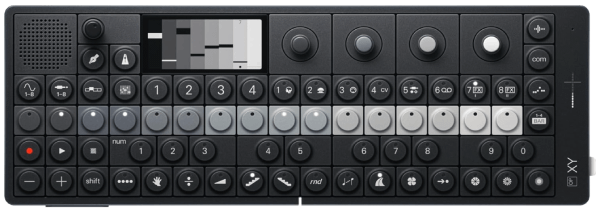
Teenage Engineering OP-1
For players who want the broadest recommendation list, a few categories stand above the rest. The Teenage Engineering OP-1 Field remains one of the most complete true mobile instruments if budget is not a concern. It is expensive, and that price is still the biggest barrier, but the combination of synth engines, sampling, tape-style workflow, battery operation, and compact design is still hard to match. It is less about traditional keyboard technique and more about self-contained music creation. If that fits your process, it is still one of the strongest premium picks.
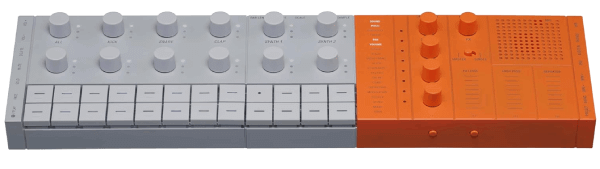
Yamaha Seqtrak
The Yamaha Seqtrak sits in a different lane and makes sense for producers who want a fast sketch tool with serious portability. It is not a traditional performance synth, and that distinction matters. Its strength is idea capture, beat production, and mobile composition rather than deep knob-per-function programming. If you want something that can travel constantly and support full track building, it has a very practical edge.
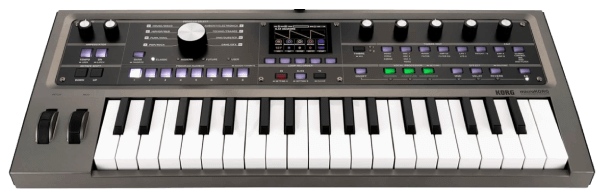
Korg microKORG 2
For pure compact synth value, the Korg microKORG 2 deserves attention. The original microKORG lasted for years because it was genuinely useful, not because it was cute. The newer generation keeps that appeal while pushing workflow and sonic flexibility forward. It is still not the choice for players who dislike mini keys, but for anyone wanting a recognizably giggable compact synth with broad sounds and a familiar subtractive foundation, it remains highly relevant.
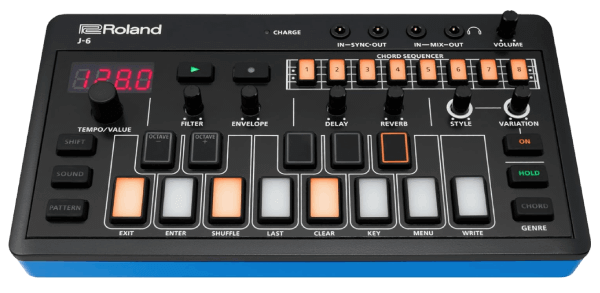
Roland’s AIRA J-6
Roland’s compact AIRA and Boutique ecosystem also continues to matter in this category. The exact best choice depends on whether you want classic Roland character, battery-friendly flexibility, or USB-powered desktop convenience. These units often work best for users who already know the sound family they want. A Boutique that nails your preferred style can be a better buy than a broader portable synth that never quite inspires you.
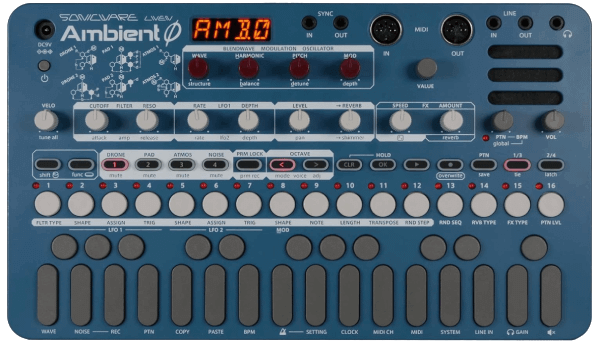
Sonicware Liven
The Sonicware range deserves more respect than it sometimes gets in mainstream gear discussions. Instruments like the LIVEN series offer strong value, unusual sound design angles, and genuine portability. They are not luxury instruments, and build quality reflects the price, but the creative return can be excellent. For experimental producers, lo-fi artists, and beatmakers who want something distinct rather than polished and predictable, these can be smart buys.
Elektron Digitone II
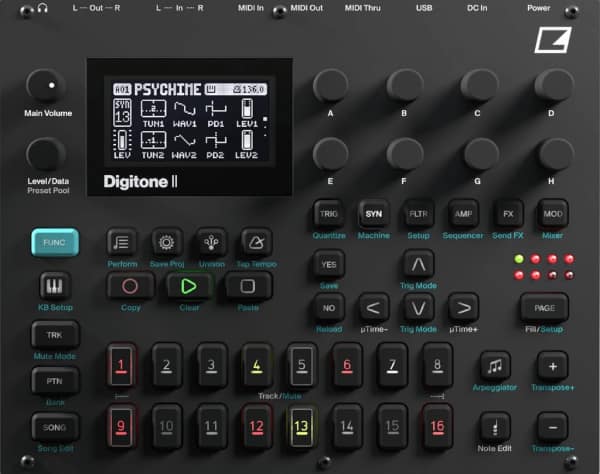
At the higher end of compact desktop portability, Elektron still occupies its own space. A Digitone or Syntakt is not pocket gear, but both are portable enough for backpack use and serious enough for stage and studio work. They reward commitment. If your definition of portable includes sequencing depth, pattern performance, and strong integration with a larger production setup, Elektron remains one of the most credible answers in this market.
Choosing by use case, not by hype
The biggest mistake in this category is comparing every unit as if they solve the same problem. They do not. A battery-powered all-in-one sketch instrument and a compact synth desktop module may share a shelf online, but they serve different musicians.
If you are a keyboard player first, keybed format matters more than marketing copy. Mini keys are fine for basslines, simple leads, and travel writing. They are less convincing for expressive performance unless you already like that format. In many cases, a compact module plus a slim MIDI controller is the better portable setup than a small synth with a compromised keyboard.
If you produce in short sessions away from the studio, self-contained workflow becomes the priority. Built-in sequencing, decent battery life, onboard speakers, and quick patch access may matter more than having the deepest modulation matrix. That is where products like the OP-1 Field or smaller groove-oriented synths justify their price. They remove setup friction.
If live performance is the goal, reliability and immediacy matter more than novelty. A portable synth for stage use should let you change sounds quickly, control levels without menu surfing, and hold up physically. Some very creative compact instruments fall short here. They are fun for writing but less convincing under stage pressure.
The trade-offs that actually matter
Portability almost always introduces a compromise, and serious buyers should be realistic about which compromise they are accepting. The first is control density. Small synths either reduce hands-on controls or make the panel feel crowded. There is no magic solution. You either get fewer dedicated controls, smaller controls, or a larger chassis.
The second trade-off is sonic specialization versus range. Some of the best-sounding portable synths are narrow by design. They may excel at FM percussion, gritty digital tones, or vintage-style subtractive sounds, but they do not cover everything. Broad instruments can be more practical, but they may feel less distinctive.
The third is battery power versus processing and interface ambition. A truly mobile device with long battery life often leans into efficiency. That can affect display size, polyphony, effects depth, or speaker quality. If you mostly work near power anyway, USB-powered portability may be more relevant than all-day battery operation.
How to narrow the field quickly
Start with your real primary use, not your idealized one. If you picture making tracks on flights but 90 percent of your music happens at home, prioritize a compact synth that sounds excellent in the studio and travels well when needed. Do not overpay for portability features you will rarely use.
Next, decide whether you want a synth or a production device. This sounds obvious, but it is where a lot of buying confusion starts. A synth-centered instrument prioritizes sound shaping and performance. A production device may include synth engines, but its core value is sequencing, arrangement, sampling, or beat construction. Both can be excellent. They are just not interchangeable.
Then look at I/O and integration. MIDI, audio over USB, sync options, line outputs, and controller compatibility matter a lot in small rigs. A portable synth that fits perfectly into your setup will outperform a more impressive instrument that requires adapters, workarounds, or constant menu management.
Finally, be honest about tolerance for menu diving. Some players enjoy dense devices with layered functionality. Others need direct access to stay creative. Neither approach is more serious. It is just a matter of fit.
Where the market is heading
The most interesting shift in portable synth design is that manufacturers are finally treating small instruments as primary creative tools rather than entry-level side products. That means better synthesis engines, more thoughtful sequencing, stronger USB integration, and less of the toy-like positioning that used to hold this category back.
It also means the gap between portable and studio-capable keeps shrinking. A compact synth in 2026 can now function as a legitimate writing centerpiece, a live sub-rig, or a dedicated sound source in a professional setup. The difference is not whether it is serious enough. The difference is whether its design matches the way you actually make music.
If you are shopping this category now, the best move is to ignore the broadest hype and focus on friction. The right portable synth is the one that removes obstacles between idea and result, whether that means battery-powered sketching, compact desktop sound design, or a travel-friendly instrument that still feels at home on a real track. Buy for the moments you know you will use it, and the instrument will keep proving its value long after the specs stop being interesting.